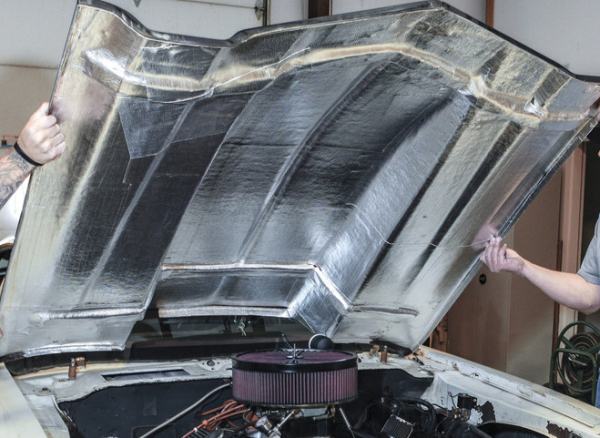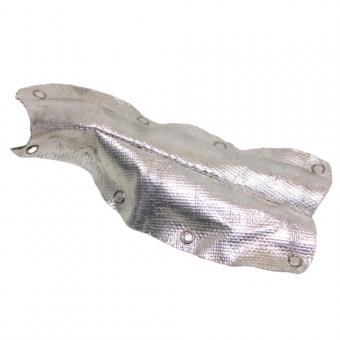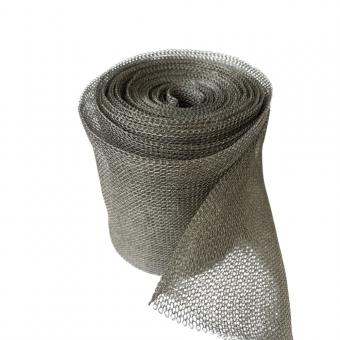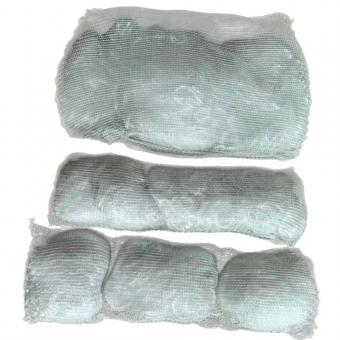
As industries continue to demand higher thermal efficiency and better heat protection, Adhesive Backed Aluminized Heat Barrier has become a widely used solution across automotive, HVAC, construction, and industrial sectors. This material offers a unique combination of heat reflection, ease of installation, and long-term durability, making it a preferred choice for engineers and manufacturers alike.
This complete guide explains what adhesive backed aluminized heat barrier is, how it works, where it is used, and why it outperforms many traditional insulation materials. Whether you are selecting materials for industrial equipment or upgrading thermal protection systems, this guide will help you make an informed decision.

An adhesive backed aluminized heat barrier is a reflective thermal insulation material designed to reduce radiant heat transfer. It typically consists of an aluminized surface bonded to a flexible substrate, combined with a pressure-sensitive adhesive layer on the back. This structure allows the material to reflect heat efficiently while being easy to install on various surfaces.
Unlike conventional insulation materials that rely on thickness and density to slow heat conduction, aluminized heat barriers work primarily by reflecting radiant heat away from sensitive components. The aluminized surface can reflect a significant percentage of radiant energy, helping maintain lower surface temperatures in high-heat environments.
The adhesive backing is a key advantage. It allows for quick “peel-and-stick” installation without mechanical fasteners, making it ideal for tight spaces, curved surfaces, and retrofit projects. Because of this, adhesive backed aluminized heat barrier is widely used in automotive engine compartments, HVAC duct systems, industrial machinery, and building envelopes.
Another important distinction is the difference between aluminized materials and pure aluminum foil. Aluminized surfaces are often more flexible and resistant to cracking, making them better suited for applications involving vibration or movement.
A high-quality adhesive backed aluminized heat barrier offers several technical advantages that contribute to its performance and reliability.
High reflectivity: Effectively reflects radiant heat away from critical surfaces
Pressure-sensitive adhesive: Enables fast, secure installation
Lightweight construction: Adds minimal weight to systems
Flexible structure: Conforms easily to irregular shapes
Durable surface: Resists corrosion, moisture, and wear
| Property | Typical Range |
|---|---|
| Reflectivity | Up to 95% |
| Maximum Operating Temperature | Varies by backing material |
| Adhesive Type | Acrylic or rubber-based |
| Thickness | Thin-profile design |
| Moisture Resistance | High |
These properties make adhesive backed aluminized heat barrier suitable for both short-term thermal shielding and long-term insulation applications.
Engine bays and firewalls
Exhaust tunnels and underbody shielding
Hood and cabin thermal insulation
Duct insulation
Air handling units
Mechanical rooms
Machinery enclosures
Heat-generating equipment
Manufacturing facilities
Roof and wall insulation
Metal buildings
Warehouses and commercial structures
By reducing radiant heat transfer, this material helps protect components, improve energy efficiency, and enhance overall system performance.
Compared to traditional insulation materials such as fiberglass, foam, or ceramic fiber, adhesive backed aluminized heat barrier offers several distinct benefits.
Traditional insulation absorbs heat and slows its transfer, while aluminized heat barriers reflect radiant heat away. This makes them especially effective in environments with strong radiant heat sources.
The adhesive backing eliminates the need for fasteners, reducing installation time and labor costs.
Because reflective insulation does not rely on thickness, it is ideal for applications where space is limited.
Unlike fiberglass, aluminized heat barriers do not release fibers, making them safer to handle and easier to maintain.
Proper installation is essential to achieve optimal performance from an adhesive backed aluminized heat barrier.
Clean the surface thoroughly
Remove dust, oil, and moisture
Ensure the surface is dry and smooth
Peel off the release liner gradually
Apply even pressure to avoid air bubbles
Avoid stretching the material during installation
Install within the recommended temperature range
Allow adhesive curing time if specified
Avoid exposure to excessive moisture during installation
Following these best practices ensures strong adhesion and long-lasting performance.
When selecting an adhesive backed aluminized heat barrier, consider the following factors:
Operating temperature requirements
Exposure to moisture or chemicals
Surface shape and flexibility needs
Indoor vs outdoor application
Choosing the right specifications ensures the material performs effectively throughout its service life.
Many products offer fire-resistant properties, but performance depends on the substrate and adhesive. Always review technical data sheets.
Temperature resistance varies by design and backing material. Some products are suitable for high-temperature industrial environments.
Yes, if designed for outdoor use. UV resistance and moisture protection should be considered.
High-quality adhesives are designed for long-term performance when installed correctly.
Yes, adhesive backed aluminized heat barrier is commonly used in automotive engine bays and exhaust systems.
Aluminized materials are typically more flexible and resistant to cracking compared to pure aluminum foil.
By understanding its features, applications, and installation requirements, engineers and buyers can confidently select the right heat barrier for their specific needs. When integrated correctly, this material can significantly improve thermal performance, protect sensitive components, and extend equipment lifespan.