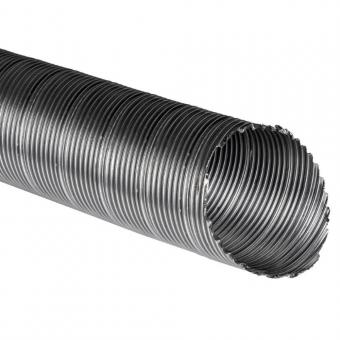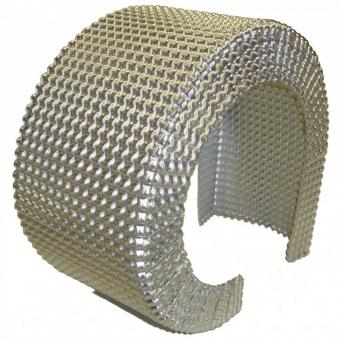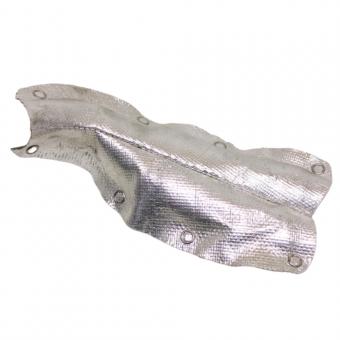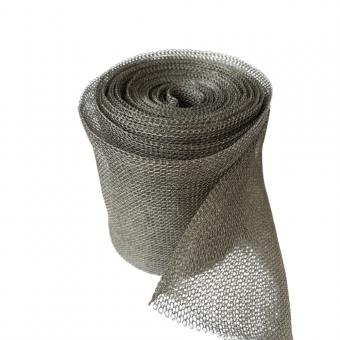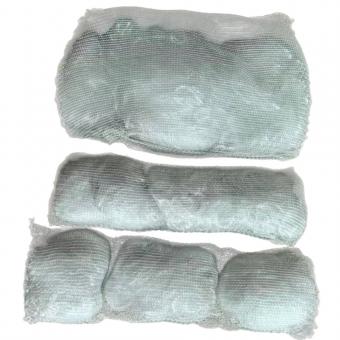
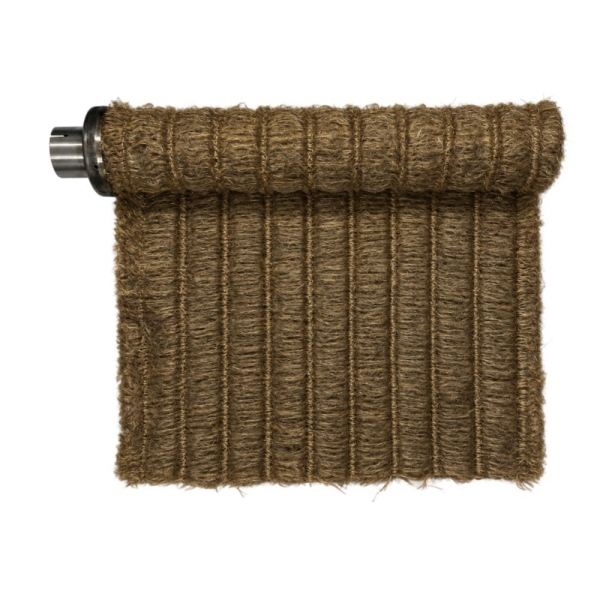
Basalt and fiberglass expanding exhaust packing use a similar heat-released sheet concept, but the primary fiber material is different. Both products can be manufactured from texturized continuous-filament yarn compressed into a compact sheet and held by temporary heat-responsive stitching. During the approved initial heating cycle, the stitching loses its restraining function and the bulked fiber structure can recover within the space provided by the silencer.
The correct choice cannot be made from the words basalt, fiberglass or high temperature alone. Exhaust manufacturers should compare the actual fiber grade, yarn construction, dry fiber weight, compressed dimensions, release behavior, continuous service conditions, silencer geometry and complete-assembly validation.
BSTFLEX supplies a Basalt Fiber Expanding Muffler Packing Sheet and a Fiberglass Expanding Exhaust Packing Sheet. This comparison explains how to select between the two materials without treating them as automatically interchangeable.
Quick Answer: Basalt or Fiberglass Expanding Exhaust Packing?
Use the material already approved for the silencer whenever a valid production specification exists.
For a new or revised exhaust program:
- choose basalt expanding packing when the specified basalt fiber grade and finished-sheet construction meet the required thermal, mechanical and production conditions;
- choose fiberglass expanding packing when the specified glass fiber grade and finished-sheet construction meet those requirements;
- do not approve a substitution from equal dimensions or equal total weight alone;
- keep release temperature, continuous service temperature and short peak exposure as separate specification fields;
- validate the selected sheet in the complete silencer before repeat production.
Neither material is universally better. The approved result depends on the exact fiber, stitching, packing quantity, retention structure and exhaust duty.
What Both Expanding Packing Sheets Have in Common
Both product families are designed to simplify the installation of a fibrous acoustic charge before it reaches its released bulk.
The general construction includes:
- texturized continuous-filament yarn;
- a compressed sheet form;
- temporary heat-responsive stitching;
- a defined width, length and fiber weight;
- release during an approved initial heating cycle;
- recovery of the bulked fiber structure within the available silencer cavity.
The term self expanding exhaust packing describes recovery of a previously compressed fiber structure. It does not mean the material produces more fiber, expands without limits or automatically corrects an insufficient filling weight.
Key Differences Between Basalt and Fiberglass Expanding Packing
| Comparison Point | Basalt Expanding Packing | Fiberglass Expanding Packing |
|---|---|---|
| Primary fiber family | Basalt-based continuous-filament yarn | Glass-based continuous-filament yarn |
| Main product page | Basalt Fiber Expanding Muffler Packing Sheet | Fiberglass Expanding Exhaust Packing Sheet |
| Fiber specification | Basalt grade, yarn construction and texturizing condition must be defined | Glass grade, yarn construction and texturizing condition must be defined |
| Fiber areal weight | Confirmed for the actual basalt product | Confirmed for the actual fiberglass product |
| Release conditions | Determined by the actual thread and stitched construction | Determined by the actual thread and stitched construction |
| Continuous service conditions | Based on the basalt grade and complete installed construction | Based on the glass grade and complete installed construction |
| Direct substitution | Not established by equal size, thickness or weight; complete-silencer validation is required | |
The shared construction principle does not make the technical data identical. Temperature limits, expansion behavior, areal weight, density, acoustic performance and service life must be confirmed separately.
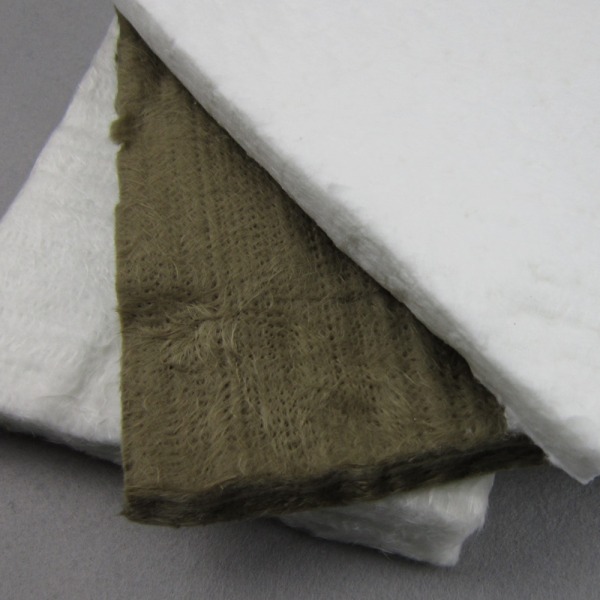
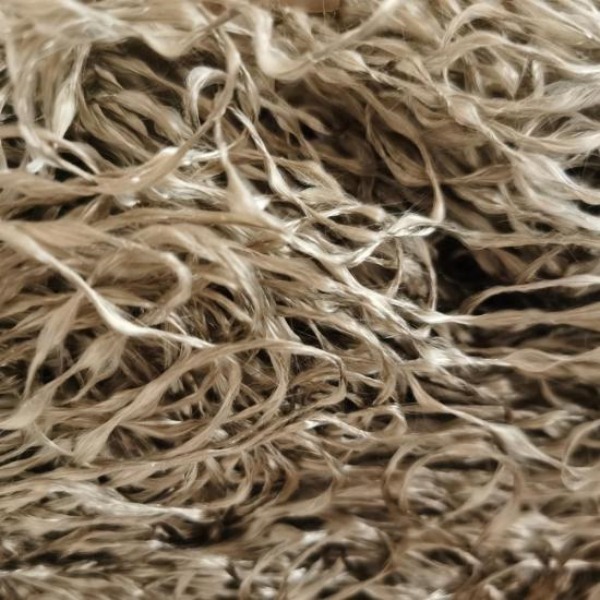
Basalt Fiber Expanding Muffler Packing Sheet
The BSTFLEX basalt expanding exhaust packing product uses texturized continuous-filament basalt yarn compressed and held by heat-responsive stitching.
A complete basalt sheet specification should identify:
- basalt fiber grade and material reference;
- continuous-filament yarn construction;
- texturizing method or supplied yarn condition;
- fiber-only areal weight;
- complete sheet areal weight, where controlled separately;
- compressed thickness and measurement condition;
- sheet width and roll or cut length;
- temporary stitching material and pattern;
- release conditions and exposure time;
- continuous and peak operating conditions;
- approved dry fiber charge per silencer;
- cut pattern, seam and overlap.
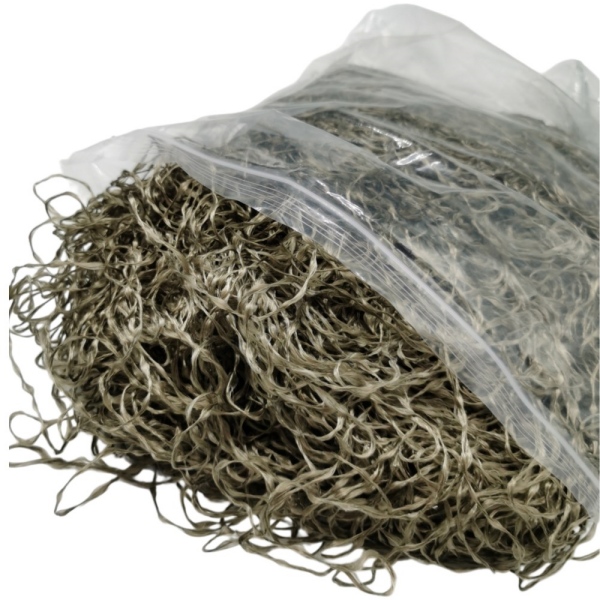
The basalt product should remain distinct from Basalt Fiber Loose Fill Muffler Packing and conventional Basalt Muffler Packing Mat. Loose fill, conventional mat and heat-released sheet use different assembly methods and keyword intentions.
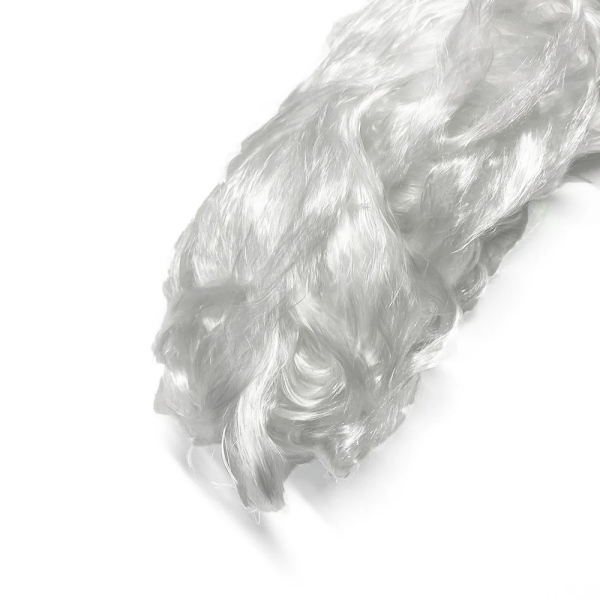
Fiberglass Expanding Exhaust Packing Sheet
The BSTFLEX fiberglass product uses texturized continuous-filament glass yarn in a compressed sheet held by temporary low-melting-point stitching.
A complete fiberglass sheet specification should identify:
- glass fiber grade;
- continuous-filament yarn construction;
- texturizing condition;
- fiber-only areal weight;
- complete sheet areal weight, where applicable;
- compressed thickness and measurement condition;
- sheet width and length;
- temporary thread and stitch pattern;
- release conditions;
- continuous and peak operating conditions;
- dry fiber charge per silencer;
- cut pattern and installation layout.
Do not assume that every fiberglass expanding sheet uses the same glass grade, release temperature, thickness or filling weight. The relevant data belongs to the exact product being approved.
Release Temperature Is Not the Same as Service Temperature
This distinction is essential for both materials.
| Temperature Field | What It Describes | Information Required |
|---|---|---|
| Release conditions | When the temporary stitching loses its restraining function | Temperature range, heating method, exposure time and measurement location |
| Continuous service conditions | The sustained operating environment of the fiber and complete packing assembly | Continuous temperature, atmosphere, vibration and relevant duty cycle |
| Peak exposure | Short-duration excursions above normal operation | Peak temperature, duration, frequency and measurement location |
Do not use the fiber's highest published temperature as the target for releasing the thread. Do not use the thread release temperature as the continuous rating of the installed packing.
Temperature at the engine outlet, perforated core, packing location and outer shell can differ. Identify the measurement location in the RFQ and validation record.
Compare Fiber Weight on the Same Basis
Equal sheet dimensions do not mean equal fiber quantity.
For both materials, separate:
- dry fiber weight;
- temporary stitching weight;
- complete sheet weight;
- cut-piece weight;
- shipping and packaging weight.
For a rectangular cut piece:
Dry fiber mass = usable width × usable length × fiber-only areal weight.
When width and length are entered in meters and areal weight is stated in g/m2, the calculated mass is in grams.
Confirm whether the quoted areal weight includes stitching or other constituents. The same basis should be used in quotation, production control and incoming inspection.
Convert an Approved Fiber Charge into Cut Length
Where the silencer already has an approved dry fiber charge:
Cut length = required dry fiber mass / (usable sheet width × fiber-only areal weight).
The equation provides a nominal cut length. It does not establish:
- the correct fiber charge for a new silencer;
- the required seam or overlap;
- whether the sheet fits the assembly route;
- whether the material releases correctly in the confined cavity;
- or whether basalt and fiberglass are equivalent at the same mass.
Any trimming, overlap and shaped cut sections should be included in the approved production layout.
Expansion Ratio Must Be Defined by a Test Method
Statements such as expands two times or expands three times are incomplete unless the starting and final conditions are defined.
A useful expansion or recovery test should identify:
- initial specimen dimensions;
- initial compressed thickness;
- measurement load;
- specimen conditioning;
- heating rate;
- release temperature;
- exposure duration;
- free or confined recovery;
- cooling condition;
- final measurement time and method.
Free expansion outside a silencer can differ from recovery inside a restricted packing cavity. The available radial space, metallic layers, retaining screens and shell geometry can limit recovery.
For this reason, do not select basalt or fiberglass from an undefined expansion multiplier alone.
How Silencer Geometry Affects Material Selection
Both products can be considered for cylindrical, oval, tri-oval and irregular absorptive silencers, but the cutting and installation layout must suit the actual cavity.
Provide:
- perforated core outside diameter;
- shell inside diameter or profile;
- effective packed length;
- core offset;
- partitions and separate packing zones;
- end clearances;
- inner metallic layers;
- insertion direction;
- seam and overlap position.
For a circular core:
Core circumference = π × core outside diameter.
This is only an initial geometric reference. Final sheet length also depends on overlap, compression, any core-side wrap and the approved dry fiber charge.
Oval, Tri-Oval and Offset-Core Silencers
Expanding sheets are useful where a compact material form simplifies insertion into a shaped silencer. However, release cannot move fiber through a solid partition or guarantee uniform filling around every obstruction.
During sample approval, inspect:
- the narrow side of an offset core;
- the wider side cavity;
- end pockets;
- regions near brackets or baffles;
- seam and overlap areas;
- separate acoustic chambers.
Multiple packing zones may require separate pieces with defined weights. A correct total fiber mass does not prove correct distribution.
Core-Side Stainless Steel Wool and Retaining Screens
Some exhaust silencers use stainless steel wool beside the perforated core to protect the surrounding acoustic fiber. A separate retaining screen can also help maintain the packing assembly.
BSTFLEX supplies:
- Stainless Steel Wool Exhaust Muffler Packing;
- Steel Wool Muffler Core Sleeves;
- Stainless Steel Exhaust Screens.
Do not assume that basalt or fiberglass expanding packing eliminates these layers. The silencer drawing should define whether they are required.
Keep the following quantities separate:
- basalt or fiberglass dry fiber charge;
- stainless steel wool mass;
- retaining-screen mass;
- finished packing volume.
Installation and First-Heat Release
Both materials require a controlled installation process.
- Verify the material. Confirm basalt or fiberglass product reference, lot and approved sheet specification.
- Check cut-piece weight. Use the agreed fiber-only or complete-sheet basis.
- Preserve the temporary stitching. Do not remove or replace it without product-specific instructions.
- Position the sheet correctly. Follow the approved orientation, seam and overlap.
- Use approved assembly restraints. Unspecified wire, tape or adhesive may interfere with release.
- Confirm cold fit. The packed core should enter the shell without uncontrolled trimming or excessive force.
- Complete the exhaust assembly. Keep required liners, screens, drains and gas passages in place.
- Apply the approved initial heating procedure. Do not use a universal idle time or open-flame method.
- Verify release during development. Inspect an agreed sample after safe cooling or use another approved method.
A change in smell, smoke or exhaust note is not an acceptance method for fiber release. Use a documented procedure.
Applications
Basalt and fiberglass expanding sheets may be evaluated for approved absorptive silencers used in:
- motorcycle exhaust systems;
- ATV and UTV silencers;
- motocross and racing exhausts;
- automotive performance mufflers;
- heavy-duty diesel exhaust systems;
- generator exhaust silencers;
- industrial engine silencers;
- construction and agricultural equipment;
- dry marine exhaust silencers;
- custom OEM exhaust programs.
Application names alone do not prove suitability. The actual material grade, packing quantity, release process and operating conditions must be approved.
Do not install fibrous muffler packing in a DPF, catalyst, SCR substrate, wet exhaust waterlock or another component that is not designed to contain acoustic fiber.
OEM Sample Approval
When comparing basalt and fiberglass, keep other variables consistent wherever practical and document every unavoidable difference.
The sample approval record should include:
- fiber material and grade;
- yarn construction;
- fiber-only areal weight;
- complete sheet weight;
- compressed thickness;
- temporary stitching;
- cut dimensions;
- dry fiber charge;
- seam and overlap;
- core-side metallic layers;
- initial heating procedure;
- post-release distribution;
- sound-test conditions;
- pressure-loss or backpressure result where required;
- retention after the agreed operating trial.
A successful cold assembly proves only that the material can be installed. It does not prove correct release, acoustic performance or durability.
Incoming Inspection
| Inspection Item | Basalt Sheet | Fiberglass Sheet |
|---|---|---|
| Material identity | Approved basalt product and fiber reference | Approved fiberglass product and glass grade |
| Dimensions | Width, length and cut profile | Width, length and cut profile |
| Compressed thickness | Measured under the agreed condition | Measured under the agreed condition |
| Weight | Fiber-only or complete-sheet value according to specification | Fiber-only or complete-sheet value according to specification |
| Stitching | Correct thread, pattern and condition | Correct thread, pattern and condition |
| Condition | No unacceptable contamination, moisture or damage | No unacceptable contamination, moisture or damage |
| Identification | Part number, revision and lot reference | Part number, revision and lot reference |
Cost and Supply Format
Compare the two materials on cost per accepted silencer, not only price per square meter.
Include:
- sheet price;
- usable cutting yield;
- cutting and weighing labor;
- installation time;
- first-heat conditioning;
- inspection and testing;
- scrap and rejected pieces;
- packaging and freight;
- required rework.
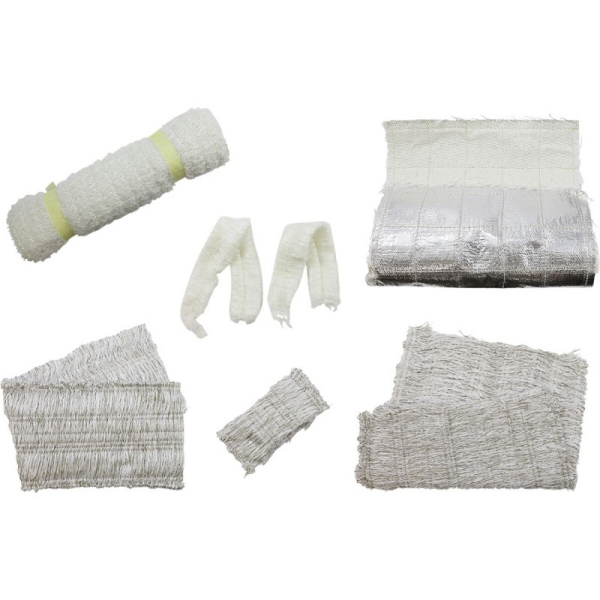
BSTFLEX can supply roll material, standard sheets, pre-cut rectangles and custom-shaped components for suitable projects. Packaging can include part-number labels, barcodes, individual bags, private-label artwork and defined carton quantities.
For drawing- and sample-based supply, visit Muffler Packing Manufacturer for OEM Exhaust Silencers.
What to Include in an RFQ
| RFQ Field | Information to Provide |
|---|---|
| Material preference | Basalt, fiberglass or request for comparative samples |
| Silencer geometry | Core OD, shell profile, packed length, partitions and insertion route |
| Sheet requirement | Width, length, compressed thickness and cut profile |
| Fiber quantity | Fiber-only areal weight or approved dry charge |
| Release conditions | Required data for temperature, time and conditioning method |
| Operating duty | Continuous and peak temperature, measurement location, vibration and gas-flow information |
| Retention structure | Steel wool, core sleeve, screen or other approved layers |
| Validation | Release inspection, acoustic test, durability trial and other approval requirements |
| Commercial requirement | Prototype quantity, annual demand, labels and packaging |
Frequently Asked Questions
Is basalt expanding exhaust packing better than fiberglass?
Not universally. Compare the exact fiber grades, sheet constructions, thermal conditions, packing quantity, installation process and validation results for the actual silencer.
Does basalt expanding packing expand more than fiberglass?
No universal expansion ratio applies to either material. Recovery depends on yarn construction, compression, stitching, heating conditions and the available cavity space.
Can basalt replace fiberglass at the same sheet weight?
Equal sheet weight does not prove equivalence. Fiber material, areal weight basis, bulk recovery, thermal behavior and installed distribution must be reviewed.
Do both products use heat-responsive stitching?
These BSTFLEX product directions use temporary heat-responsive stitching, but the exact thread and release conditions should be confirmed for each finished sheet.
Can both materials be supplied in custom cut sizes?
Yes. BSTFLEX can review custom width, length, compressed thickness, cut pattern, piece weight and packaging for suitable OEM projects.
Does expanding packing eliminate the need for stainless steel wool?
No. Use stainless steel wool or retaining screens where the approved silencer construction requires them.
How much expanding packing should be installed?
Use the approved dry fiber charge, fiber-only areal weight and cut pattern for the specific silencer. Expansion does not compensate for insufficient material.
Can these sheets be used in oval silencers?
They can be evaluated for oval and tri-oval absorptive silencers, but the cut pattern, separate packing zones and post-release distribution must be validated.
Request Basalt and Fiberglass Expanding Packing Samples
For basalt fiber, review the BSTFLEX Basalt Fiber Expanding Muffler Packing Sheet.
For glass fiber, review the BSTFLEX Fiberglass Expanding Exhaust Packing Sheet.
Send the silencer drawing, material preference, dry fiber charge, sheet dimensions, operating conditions and required sample quantity. Other packing materials and supply forms are available in the BSTFLEX Muffler Packing range.
Request Basalt and Fiberglass Expanding Packing Samples and an OEM Quote