何を探していますか?
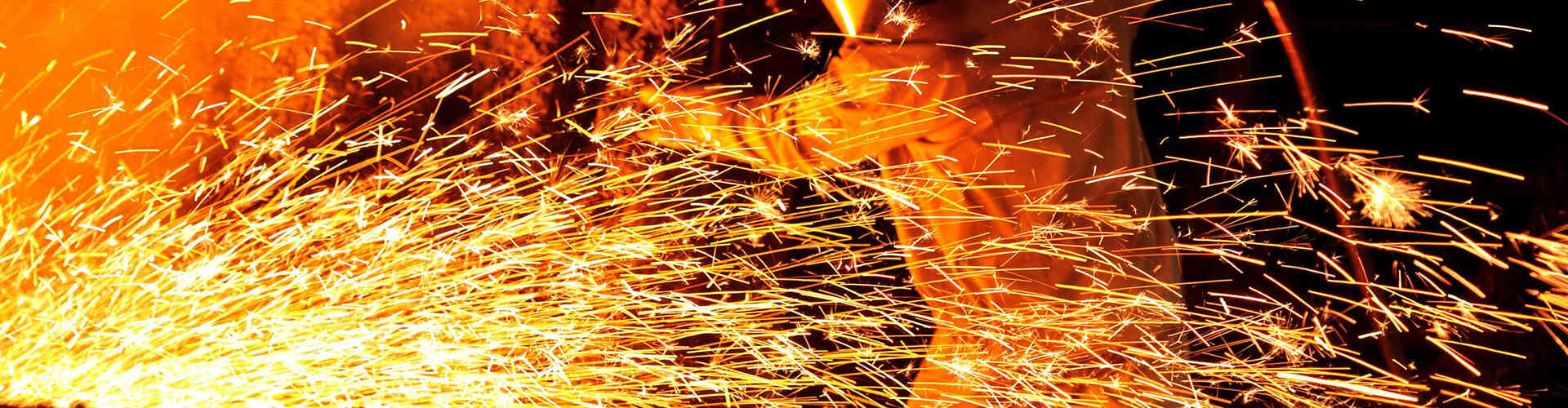
簡単な要約: あ 燃料ライン用耐火スリーブ 燃料ホースが高温の排気部品、ターボ部品、またはエンジンベイの高温部付近を通る場合、これは重要なアップグレードです。 熱シールド防火スリーブ グラスファイバーの上にシリコンの外層を使用することで、熱への露出を減らし、水しぶきに耐え、自動車や産業用途でのより安全な燃料ライン配線をサポートします。
製品カテゴリー: ファイアスリーブ | 排気側温度制御: 排気断熱ソリューション | 技術PDF: 技術文書をダウンロード | 品質システム: 品質保証
あ 燃料ライン用耐火スリーブ (また、 防火シールドスリーブ 、 ヒートシールドスリーブ 、 または 自動車用ヒートシールドスリーブ )は、燃料ホースに装着される保護用の管状スリーブで、異常な発熱が発生した場合に熱曝露を軽減し、炎の延焼を抑制するのに役立ちます。燃料ラインが以下の場所を通過する際によく使用されます。
この記事は燃料ホースに焦点を当てていますが、同じ構造は ワイヤーヒートシールドスリーブ 高熱配線ゾーンの配線ロープおよびハーネス用。
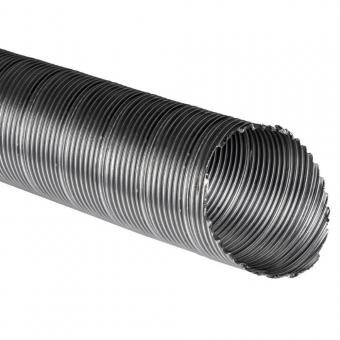
画像 #1
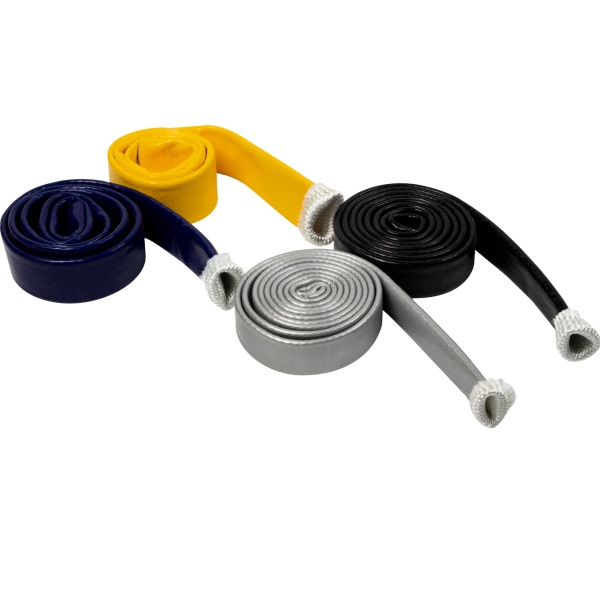
これ 熱シールド防火スリーブ は以下で構築されています:
実際の配管では、振動、熱サイクル、摩耗箇所などから発生する熱に対して、熱保護が不可欠です。そのため、適切なサイズと適切な固定は、材質そのものと同じくらい重要です。燃料ラインが排気部品の近くを通る場合は、熱源を遮断することを検討してください。 排気断熱ソリューション 次に、燃料ホースを防火スリーブで保護します。
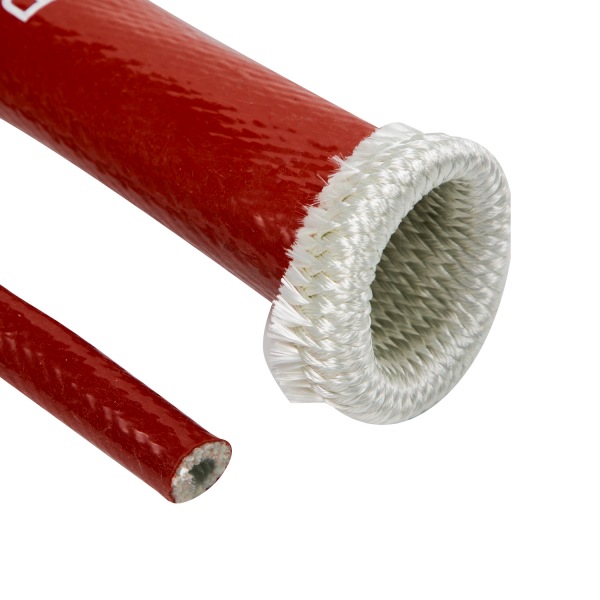
燃料ホースの場合、サイズはホースから始まる。 外径(OD) 内径ではなく、保護ポイントのホース外径を測定し、実用的な余裕をもってスリーブ内径を選択してください。
サイズの再確認が必要な場合は、エンジニアリングリファレンスページで説明されています。 IDとODのサイズ決定ロジック 円周から直径への変換。
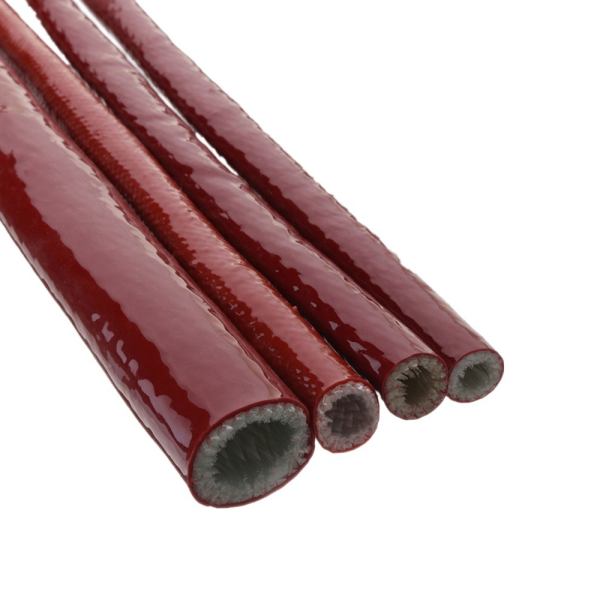
いいえ。自動車や産業機器において、燃料ホースが高熱部品の近くに配線される箇所では、広く使用されています。より安全な配線と、高温環境下での耐久性向上に役立ちます。
はい。排気熱の近くを通過する配線やハーネスを保護するために、同じシリコンコーティングされたグラスファイバー構造が一般的に使用されています。
はい。多くの製品データシートと技術PDFは、 技術文書をダウンロード 承認のためにCoCまたは検査文書パックが必要な場合は、 品質保証 またはリクエストしてください 見積もり依頼 。
ホースの外径、保護対象の長さ、排気部品とのクリアランス、最高使用温度(分かれば)をお知らせください。推奨される防火スリーブのサイズを確認し、技術資料をご提供いたします。

No.10, Chuangxin North Road, Nanshan Park, Ningguo Economic and Technological Development Zone, Ningguo City, Anhui Province, China
tel/Whatsapp : 0086-15856303740
Eメール : sales@bstbraidedsleeve.com
Skype : vanesa-cheng