何を探していますか?
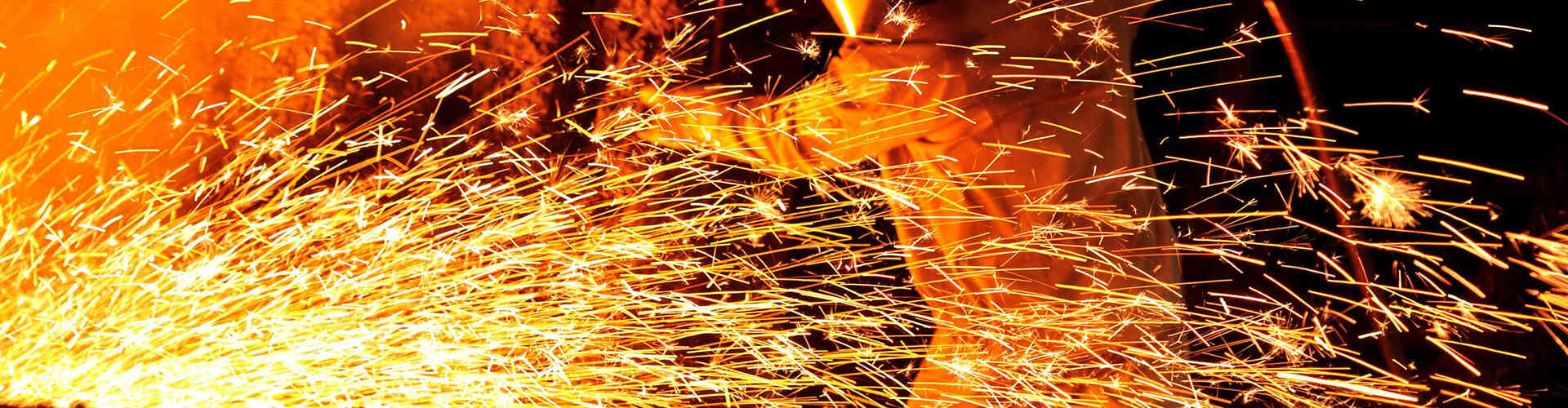
吸音式マフラー内部において、穴あきコアは音響システムの一部に過ぎません。そのコアを囲む素材は、排気音、音質、熱安定性、吸音材の寿命、そしてサイレンサーの長期的な状態に直接的な影響を与えます。
その材料は一般的にマフラーパッキン。
排気設計や市場によっては、同じ部品が次のように表現される場合もあります。マフラーのパッキン材、排気マフラーパッキン消音パッキン、排気パッキン材、吸音材、消音ウール、または排気制振材。
BSTFLEXは、オートバイ用サイレンサー、自動車用排気システム、レーシングマフラー、工業用サイレンサー、発電機、その他の排気装置向けに、高温対応のパッキン材を供給および開発しています。
全ラインナップをご覧くださいマフラーのパッキン材。
一般的な吸音式消音器は、比較的シンプルな構造に基づいて設計されている。
排気ガスの流れ → 多孔管 → 保護繊維層 → 吸音材 → 外殻
排気ガスは穴の開いたコアを通過する。音響エネルギーは穴を通って周囲の繊維状材料に伝わる。
チャンバーや遮音バッフルだけに頼るのではなく、この充填材は、繊維構造内部の摩擦によって音響エネルギーの一部を非常に微量の熱に変換する。
システムが引き続き機能するためには、梱包材は以下の状態を維持する必要があります。
熱的に安定しており、
十分に回復力があり、
排気パルス侵食に耐性があり、
コアの周りに正しく詰め込まれ、
そして、繰り返し加熱と冷却を行った後も、その繊維構造を維持することができる。
そのため、排気マフラーのパッキン材を耐熱性だけで選ぶのは、ほとんどの場合不十分です。
マフラーのパッキンは、複数の役割を同時に果たします。
開放型の繊維構造は、排気パルスによって発生する音響エネルギーを吸収します。これは、ガス流が穴の開いた中央チューブを通過するストレートスルー型や高性能サイレンサーにおいて特に重要です。
梱包状態は、音圧だけでなく排気音にも影響を与える可能性がある。
新品のパッキンは一般的に、より制御された、金属的な響きの少ない排気音を生み出します。しかし、繊維が劣化、圧縮、移動、または消失すると、サイレンサーの音は著しく鋭くなり、音量も大きくなる可能性があります。
充填層は、高温の多孔管とマフラーケーシングとの間に分離層を形成する。
マフラーのパッキンは主に音響材料であるが、その熱特性はケーシングの温度や隣接部品の耐久性に影響を与える。
安定したパッキンは、外殻への直接的な音響負荷と熱負荷を低減します。適切に設計されたパッキンシステムは、マフラー内部の振動による劣化も軽減できます。
あらゆる排気システムに最適な単一のマフラー用充填材は存在しない。
温度、ガス速度、エンジンタイプ、想定されるサービス間隔、目標音圧レベル、サイレンサーの形状、および製造方法はすべて、材料選定に影響を与える。
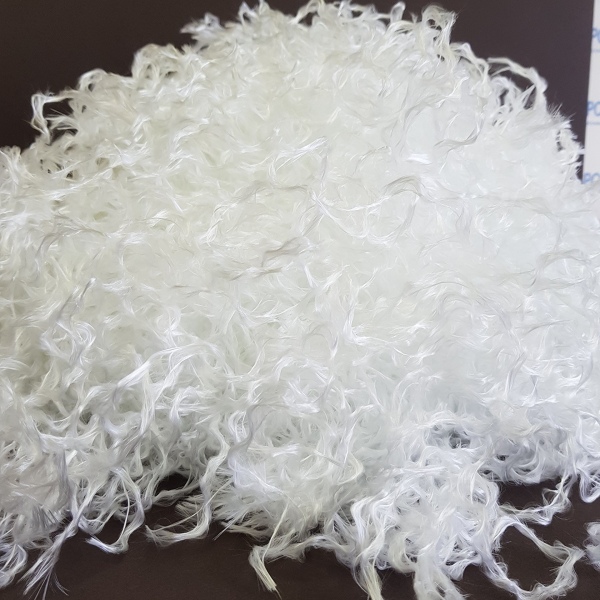
グラスファイバーは、吸音式消音器において最も広く使用されている材料の一つであり続けている。
低い嵩密度と大きな繊維表面積を兼ね備えているため、過剰な重量増加なしに優れた吸音性を実現している。
代表的な形態としては以下のようなものがある。
緩いグラスファイバー糸、
連続フィラメントガラス繊維、
テクスチャードガラス繊維、
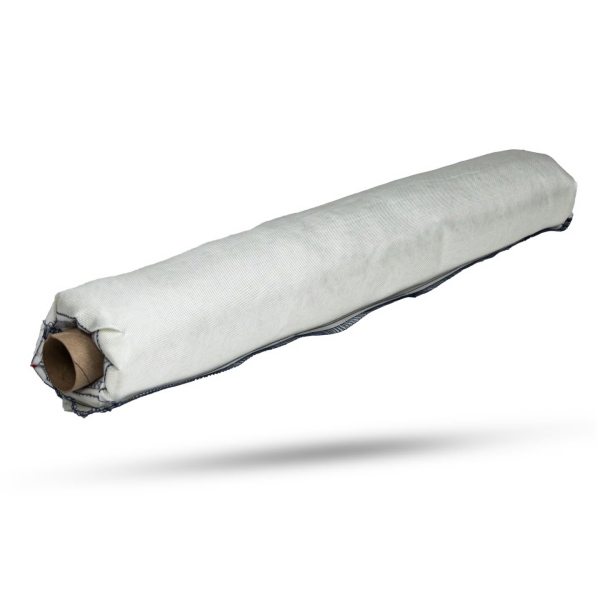
グラスファイバーマット、
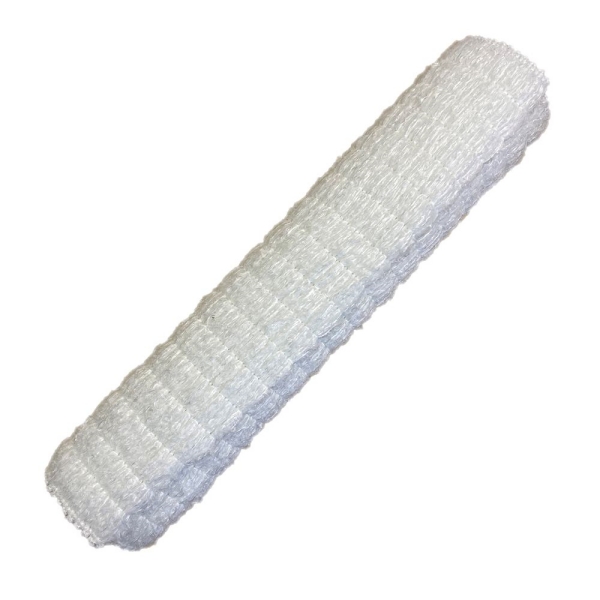
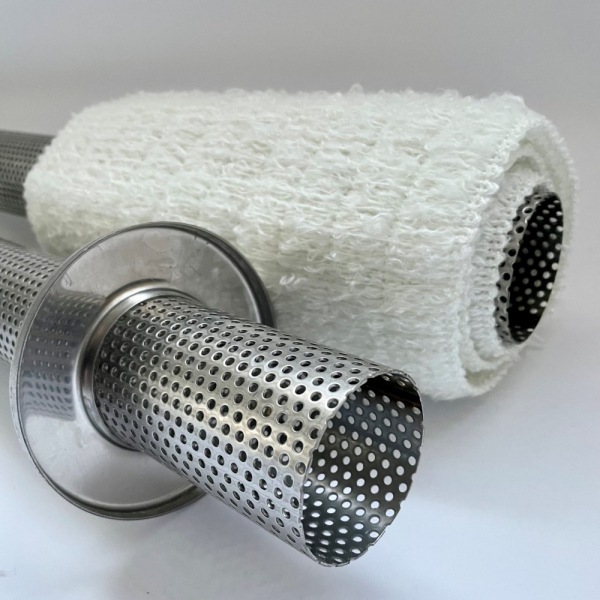
グラスファイバー製梱包用枕、
成形済み梱包用ソックス、
そして、織り込まれたガラスメッシュバッグの中に収められたグラスファイバー。
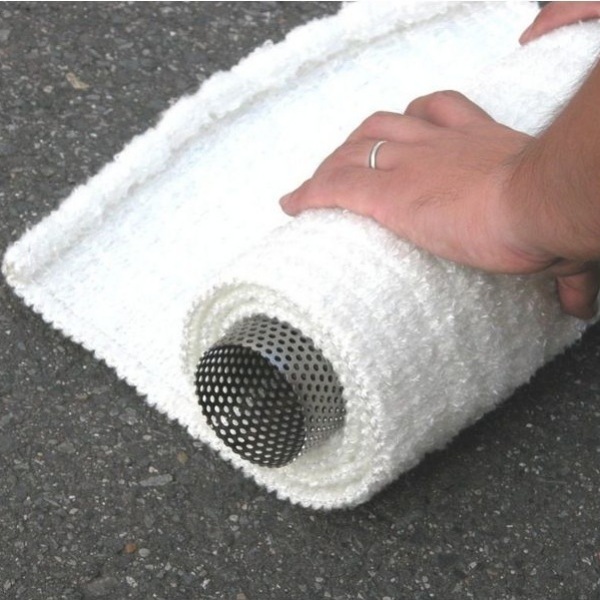
BSTFLEXはグラスファイバー製マフラー用パッキングソックス(織りガラスメッシュバッグ付き)緩い充填よりも、制御された設置と繊維の保持が望ましい用途向け。
グラスファイバーパッキンは、一般的に以下の用途で選ばれます。
オートバイのマフラー、
ATVおよびUTV用サイレンサー、
自動車用高性能排気システム、
交換用サイレンサー、
レーシングエキゾーストシステム、
そして、多くのOEM製吸音式マフラー。
その最大の利点は、音響効率、重量、製造性、コストのバランスが優れている点にある。
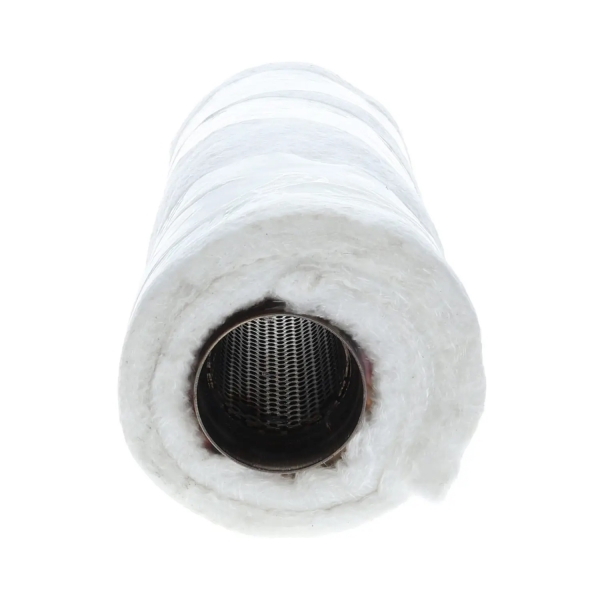
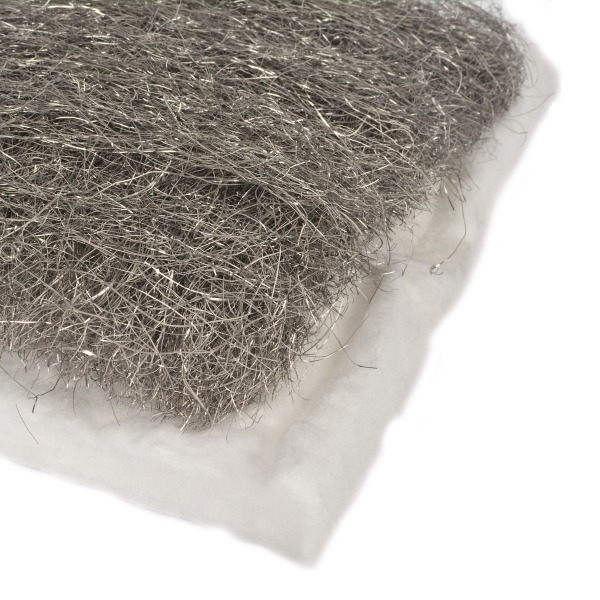
ステンレススチールウールは、やや異なる用途で使用される。
充填材として使用できるが、多くの高性能排気システムでは、保護層として穴あきチューブの周囲に直接取り付けられる。
典型的な配置は次のようになります。
穴あきコア → ステンレススチールウール → グラスファイバーパッキン → マフラーケーシング
ステンレス鋼層は、柔らかい音響繊維を以下のものから保護するのに役立ちます。
非常に高温の排気ガス、
高速パルス、
穿孔部周辺の乱流、
炎にさらされる、
そして、繊維の破裂が徐々に進行する。
この構造は、要求の厳しいオートバイ、レーシングカー、ターボチャージャー搭載車、高出力車の排気システムに特に有効です。
そのため、グラスファイバーとステンレススチールウールを、あたかもどちらか一方の素材しか使用できないかのように比較することは、時に誤解を招く可能性があります。多くの消音器では、これらは互いに補完的な役割を果たしているからです。
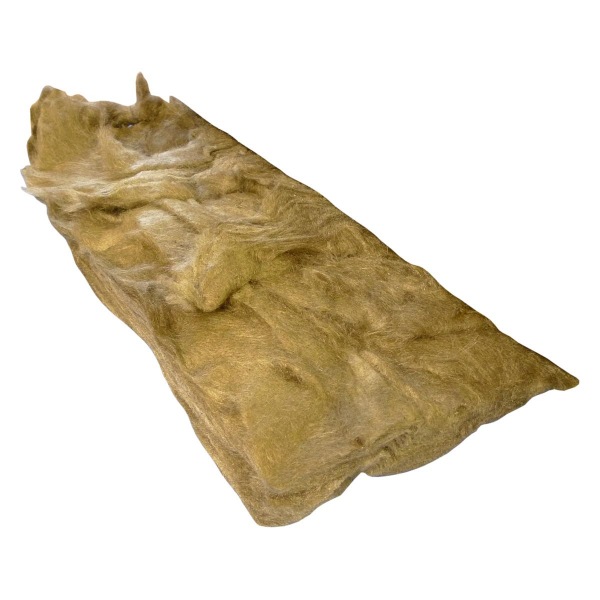
排気温度が異常に高い場合は、セラミックファイバーの使用を検討すると良いでしょう。
セラミックファイバー製のマフラーパッキンは、耐熱性に優れ、熱伝導率が比較的低いことから魅力的である。
考えられる用途は以下のとおりです。
high-temperature industrial silencers,
heavy-duty engine exhaust systems,
certain generator exhaust assemblies,
thermal-intensive exhaust equipment,
and special mufflers operating beyond the practical range of conventional glass fiber.
However, the highest temperature material is not automatically the best acoustic material.
Density, fiber diameter, resilience, vibration resistance, handling requirements, and long-term fiber stability must also be evaluated.
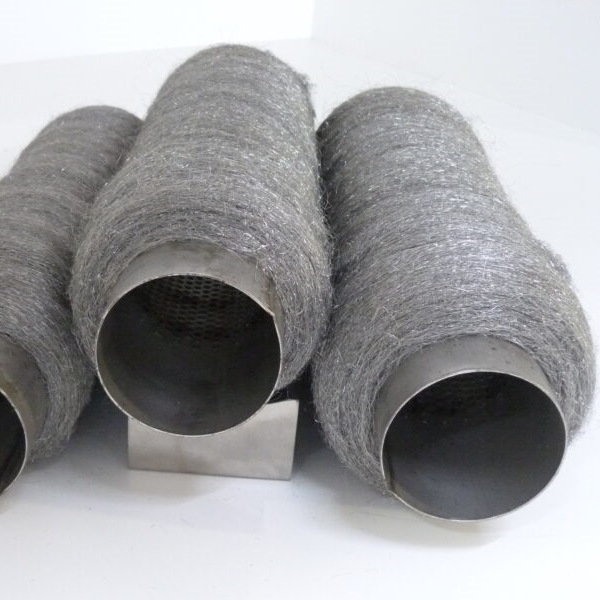
Basalt fiber provides another option between conventional glass fiber and more specialized high-temperature materials.
Produced from volcanic basalt rock, continuous basalt fibers can provide:
good thermal resistance,
mechanical stability,
chemical resistance,
vibration resistance,
and useful acoustic performance.
Basalt muffler packing can therefore be considered for automotive, motorcycle, heavy-duty, or industrial exhaust systems where designers want a mineral-fiber solution with elevated thermal capability.
| Packing Material | Primary Strength | Typical Position | Suitable Applications |
|---|---|---|---|
| Fiberglass | Efficient acoustic absorption | Main packing layer | Motorcycle, automotive, performance exhaust |
| Stainless Steel Wool | Heat and erosion protection | Around perforated core or as metallic packing | Racing, turbo, high gas velocity exhaust |
| Ceramic Fiber | Extreme-temperature capability | Main or supplementary insulation layer | Industrial and severe-temperature silencers |
| Basalt Fiber | Thermal and mechanical durability | Main acoustic packing layer | Heavy-duty, automotive and industrial exhaust |
The correct construction may combine two or more materials rather than using a single fiber throughout the silencer.
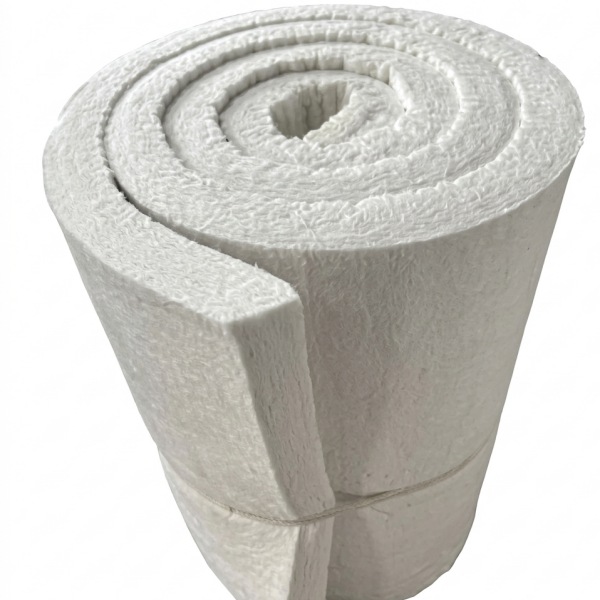
Two mufflers using exactly the same fiber can perform differently simply because the material was installed at different densities.
This is one of the most overlooked aspects of exhaust muffler packing.
If the fiber mass is insufficient, several problems can develop:
reduced acoustic absorption,
rapid fiber movement,
localized empty areas,
increased exhaust noise,
accelerated blowout.
The fibers may also redistribute under vibration and exhaust pulsation.
Over-compression creates another set of problems.
When fibrous material is compressed excessively, the void structure needed for acoustic energy dissipation changes.
The result can be:
poorer sound absorption in certain frequency ranges,
increased silencer weight,
difficult assembly,
reduced fiber resilience,
and unnecessary material consumption.
The goal is therefore not to put the maximum possible amount of packing inside the muffler.
The objective is to achieve a controlled and repeatable packing density suitable for the muffler geometry and target acoustic performance.
Muffler packing works in one of the harshest environments on a vehicle.
The material may experience thousands of heating and cooling cycles together with vibration and rapidly fluctuating exhaust pressure.
Several deterioration mechanisms can occur.
High-velocity exhaust gases passing through perforations gradually attack exposed fibers.
This is often called fiber blowout.
Continuous exposure to elevated temperature can reduce fiber resilience and alter the packing structure.
Vibration can cause loose packing to migrate or compact.
The silencer may develop areas with insufficient material even when the total amount of packing originally installed was correct.
Condensation, oil residue, incomplete combustion products, and other deposits can affect the condition of the acoustic fibers.
A theoretically suitable material may still fail prematurely if it is packed unevenly or installed at the wrong density.
Muffler packing deterioration is not always visible from outside the silencer.
Several operating changes can indicate that the material should be inspected.
Common signs include:
A noticeable increase in exhaust volume
The muffler gradually becomes louder because the effective acoustic mass has decreased.
A sharper or metallic exhaust note
When the packing layer becomes thin, sound energy interacts more directly with the metal shell.
Fibers coming from the tailpipe
Visible strands or particles at the outlet may indicate packing migration or blowout.
Hot spots on the muffler casing
Loss or movement of the internal packing can create uneven thermal distribution.
Rattling or internal movement
This can indicate loose material or deterioration of internal components.
Motorcycle silencers place especially high demands on packing material because the available volume is limited while exhaust temperatures and pulse velocity can be high.
For this reason, motorcycle exhaust packing normally needs to combine:
strong acoustic absorption,
low weight,
good thermal stability,
resistance to vibration,
easy repacking,
and controlled fiber retention.
Both two-stroke and four-stroke engines use packed silencers, but their operating environments differ considerably.
Two-stroke exhaust packing can be affected heavily by oil, combustion residue, and frequent repacking cycles.
Four-stroke performance exhausts may expose the material to higher sustained temperatures and aggressive exhaust pulses.
Selecting packing purely by motorcycle type is therefore insufficient. Muffler construction and engine operating conditions should also be considered.
Performance exhaust manufacturers often need to reduce sound without introducing excessive backpressure.
Straight-through absorption mufflers are useful in this situation because the exhaust path remains relatively open.
The acoustic packing surrounding the perforated core becomes a critical component.
Depending on the application, manufacturers may specify:
continuous fiberglass packing,
stainless steel wool core protection,
composite stainless/fiberglass systems,
basalt fiber,
or specialized high-temperature fibers.
For racing exhaust systems, packing retention becomes particularly important because high gas velocities can rapidly damage exposed loose fibers.
Industrial silencers operate under a different set of requirements.
Applications can include:
diesel generators,
gas engines,
compressors,
turbines,
exhaust treatment equipment,
heavy machinery,
power generation systems,
and industrial ventilation or acoustic control systems.
In these installations, designers may prioritize:
continuous operating temperature,
acoustic absorption over a specified frequency range,
long maintenance intervals,
fiber stability,
corrosion resistance,
and repeatable packing density.
Industrial buyers therefore often purchase muffler packing by engineering specification rather than simply selecting a consumer repacking kit.
Manufacturers normally have several ways to introduce fiber into a silencer.
Loose fibers or strands allow considerable flexibility during assembly.
They work well where the muffler geometry varies or packing is performed manually.
The challenge is maintaining consistent density from one muffler to another.
Mats provide more predictable thickness and make material handling easier during production.
They are especially suitable when the silencer has a regular cylindrical geometry.
A measured amount of fiber is enclosed inside a lightweight retaining fabric or mesh.
This allows manufacturers to control fiber mass before installation.
A tubular packing assembly can be fitted around the perforated core, reducing installation time and helping maintain circumferential coverage.
BSTFLEX develops customized packing formats including fiberglass-based assemblies for OEM exhaust production.
A purchase specification should contain more information than simply:
“Fiberglass muffler packing.”
For repeatable production, buyers should consider supplying:
| Specification Item | Why It Matters |
|---|---|
| Fiber material | Determines thermal and mechanical behavior |
| Silencer internal diameter | Defines available packing space |
| Perforated core diameter | Determines required packing thickness |
| Muffler length | Determines fiber quantity |
| Target packing density | Influences acoustic performance |
| Continuous exhaust temperature | Determines material suitability |
| Peak temperature | Identifies short-duration thermal exposure |
| Engine type | Helps evaluate exhaust environment |
| Packing format | Loose fiber, mat, pillow, sock or custom assembly |
| Annual quantity | Determines manufacturing and packaging method |
When these parameters are available, the packing can be engineered around the silencer rather than supplied as a generic bulk fiber.
Manual loose packing creates several variables.
One operator may install more material than another. Distribution around the perforated tube may also vary.
Preformed systems reduce this variability.
A packing sock, bag, pillow, or measured mat can provide:
defined material weight,
more uniform circumferential distribution,
reduced fiber handling,
shorter assembly time,
cleaner production,
improved batch repeatability.
For medium- and high-volume exhaust manufacturing, those manufacturing benefits can be as important as the thermal properties of the fiber itself.
A practical starting point is to identify the dominant failure risk.
Consider fiberglass as the primary acoustic layer.
Consider a stainless steel wool or metallic mesh protection layer before the main fiber packing.
Evaluate ceramic or other elevated-temperature fibers.
Consider materials and packing forms with stronger dimensional stability and controlled retention.
Consider preformed socks, pillows, mats, or custom packing assemblies rather than uncontrolled loose fill.
BSTFLEX manufactures high-temperature thermal and acoustic materials for exhaust systems and can support both replacement packing and OEM silencer production.
Available development options can include:
fiberglass muffler packing,
glass fiber silencer packing,
stainless steel wool packing,
ceramic fiber packing,
basalt-based packing,
loose fiber,
mats,
rolls,
packing bags,
packing pillows,
tubular packing socks,
and customized preformed assemblies.
Sizes, packing weight, fiber combination, retaining construction, and packaging can be developed according to customer drawings, samples, or silencer dimensions.
For applications requiring easier assembly and improved fiber containment, see theFiberglass Muffler Packing Sock with Woven Glass Mesh Bag.
For additional material options, visit theBSTFLEX Muffler Packing category.
There is no universal best material. Fiberglass is widely used because of its acoustic efficiency and weight, stainless steel wool is effective for protecting packing near the perforated core, while ceramic and basalt fibers may be selected where higher temperature capability is required.
Yes. Fiberglass is one of the most common acoustic materials used in absorption-type exhaust silencers because its fibrous structure provides efficient sound absorption while remaining relatively lightweight.
It can be used alone in some designs, but stainless steel wool and fiberglass often perform different functions. Stainless steel wool can protect the inner packing from exhaust erosion, while fiberglass provides the principal acoustic absorption layer.
Packing can escape because of fiber erosion, excessive gas velocity, damaged retaining mesh, incorrect packing density, thermal degradation, or deterioration around the perforated core.
Not necessarily. Excessive compression can reduce the open fiber structure needed for effective acoustic absorption. Packing density should be controlled rather than maximized.
There is no fixed interval for every exhaust system. Replacement frequency depends on exhaust temperature, engine type, riding conditions, packing material, gas velocity, silencer design, and operating hours.
はい。OEM梱包は、コア径、シェル径、サイレンサー長さ、目標梱包重量、材質仕様、温度要件、および希望する設置形式に応じて提供可能です。
排気系の設計において、目に見えるマフラーのシェル部分が最も注目されることが多いが、そのシェルと穴あきコアの間に隠れている素材が、サイレンサーの音響特性の大部分を決定づける。
正しく設計されたマフラーのパッキン材単に暑さに耐えるだけではいけない。
繊維構造、密度、吸音性、耐侵食性、および設置の一貫性の間で適切な関係を維持しなければならない。
標準的なオートバイや自動車のサイレンサーには、グラスファイバーが最も汎用性の高い素材の一つです。過酷な排気環境においては、ステンレススチールウール、セラミックファイバー、玄武岩繊維、あるいはこれらの多層構造の組み合わせを用いることで、耐用年数を延ばすことができます。
OEM排気システムメーカーにとって、次のステップは単に繊維を選ぶことではない。
正しい定義をしています排気マフラーパッキンシステム消音器の形状、排気温度、音響目標、および製造方法について。
BSTFLEXは、オートバイ、自動車、レーシングカー、発電機、船舶、産業用排気システム向けのマフラーパッキン材の製造およびカスタマイズが可能です。
材料選定およびサンプル開発のため、消音器の寸法、動作温度、必要な梱包形態、年間数量を添えてBSTFLEXまでお問い合わせください。

No.10, Chuangxin North Road, Nanshan Park, Ningguo Economic and Technological Development Zone, Ningguo City, Anhui Province, China
tel/Whatsapp : 0086-15856303740
Eメール : sales@bstbraidedsleeve.com
Skype : vanesa-cheng